I build AI that works.
Co-founder & CTO at Sightline, where I built the AI and the engineering team behind it. 7+ years building machine learning in production. I aim to make a positive impact on society by building AI systems that work in the real world — and I think a lot about where AI goes next.
Now
Sightline is a VC-backed, AI-native supply chain operating system for restaurant chains. As technical co-founder I built the AI/ML vertical from scratch: transformer forecasting models (PatchTST) in PyTorch, an AI recommendation layer that turns predictions into decisions operators actually act on, and the data platform and infrastructure that run all of it in production.
Day to day I'm still an ML/AI engineer: designing model architectures, running training and evaluation, and shipping what works to production. As CTO I built the engineering team and department from scratch — hiring, engineering standards, testing, CI/CD — and own the technical architecture of the product. Sightline is where I'm applying these ideas today; the ideas are bigger than one vertical.
Work
-
The AI/ML vertical from zero: a forecasting engine of PatchTST transformers in PyTorch with hurdle modeling for intermittent demand, trained on GPUs on AWS Batch with hyperparameter optimization, multi-seed ensembling and Weights & Biases tracking. A recommendation layer that turns forecasts into ranked, explainable actions. The data platform and AWS infrastructure underneath, and the engineering team to run it all.
Under 5% wMAPE across thousands of item-level series, in production for paying enterprise customers.
-
My first venture: a "Strava for pilots." Personalized airport and route recommendations from nearest-neighbor retrieval over flight time-series and geospatial features, with on-device inference via Core ML; geospatial recommendations across 100K airports and 10M+ points of interest; and a fine-tuned LLM pilot assistant that gives flight performance recommendations. Designed, built and shipped solo, from models to app.
Live on the App Store.
Earlier
-
Five years of predictive modeling at scale for Fortune 500 clients: Bayesian and hierarchical marketing-mix models in PyMC with MCMC inference, time-series forecasting, and hundreds of gradient-boosted and neural models on billions of data points, from scoping to deployment. Led teams of 9+ data scientists.
Models behind $20M+ in measured client impact.
-
Recommendation engine for in-flight entertainment: models (scikit-learn, TensorFlow) that predict passenger viewing preferences from viewing history, used to shape airline media portfolios.
85%+ accuracy on a 10M-row dataset.
What I believe
-
AI is the most powerful technology we have ever built. It is too important to leave to a few.
This technology will touch every human alive today and every one born after us. Everyone must have a seat at the table — in the building, in the decisions, and in the rules — because a future built by a handful is not a future for all.
-
Tools expire. Math doesn't.
Every model I've shipped, from Bayesian regression to transformers, came down to the same ideas: distributions, uncertainty, optimization. Learn the tools; invest in the math.
-
Trust a model the way a pilot trusts an instrument: only after checking it against the horizon.
A forecast earns trust the way a gauge does — cross-checked against what actually happened, again and again.
About
Paris → California → New York
I grew up in a small town near Paris with one ambition: move to America and build a life from scratch. I earned two Bachelor's degrees at Sorbonne Université, one in Mathematics and one in Computer Science, then moved to California for a Master's in Statistics. I've been in New York since 2019.
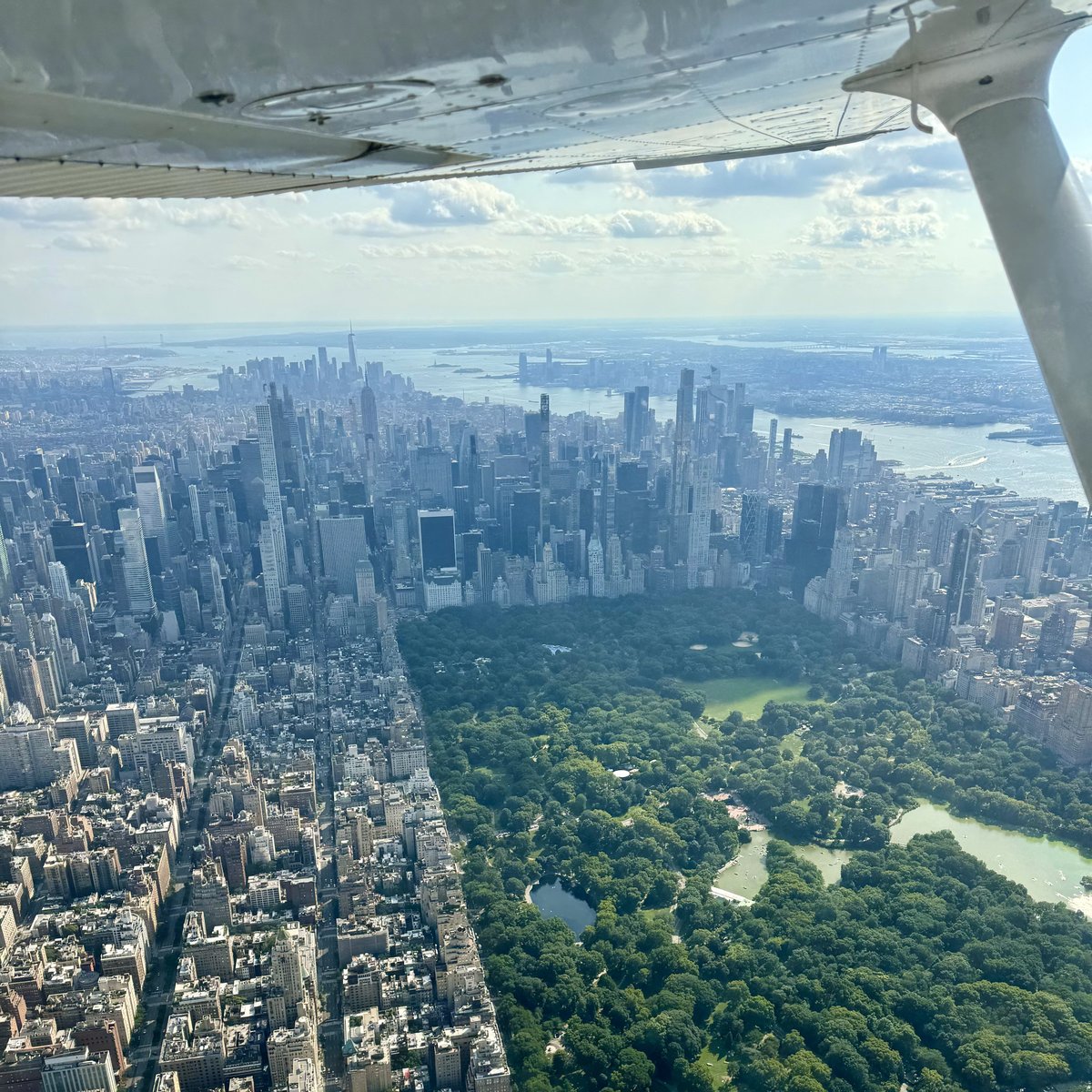
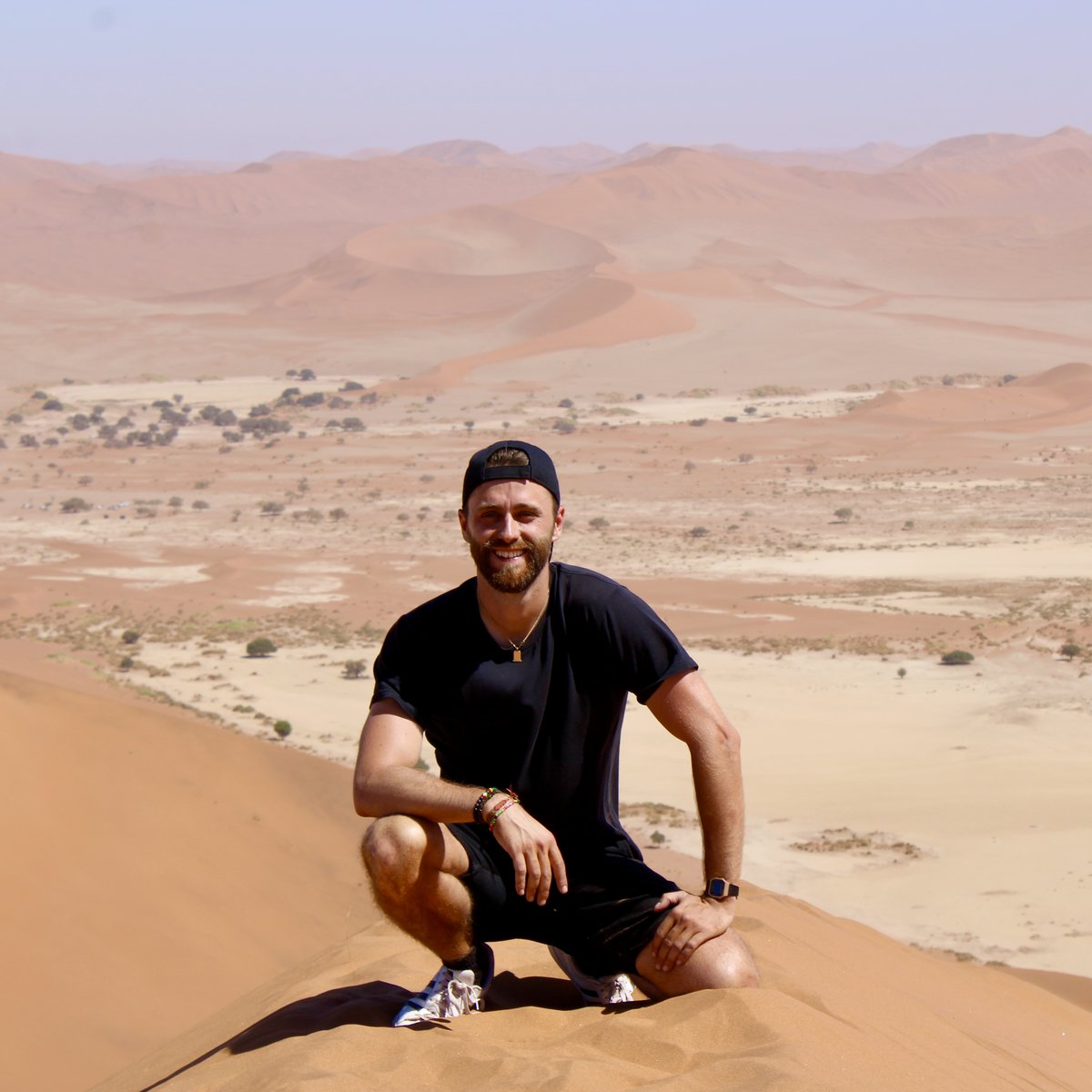
Outside of work, I'm a licensed pilot, avid off-the-beaten-path traveler and (unlicensed) French cook at home.
English, French, Spanish.
Writing
Nothing here yet. This is where I'll put occasional writing, long and short, on building ML that works outside the lab and on where AI is heading.
Get in touch
Open to conversations about applied ML, AI research, and what the next generation of AI systems should look like.